
Prioritizing Your Child’s Long-Term Healthy Vision
Your child’s vision is crucial to their learning, development, and daily life. They rely on vision to learn how to read, write, play sports, and develop key motor skills and hand-eye coordination. Oftentimes, children don’t know how to express vision problems, or they believe their vision is the same as everyone else’s. That’s where comprehensive eye exams are important.
At Aylmer Optometry, we focus on assessing children’s eyesight to detect and address vision problems early, prioritizing healthy eyes and clear vision for years to come. This includes how clearly they can see at a distance, as well as functional vision, like how well their eyes work together.
Book your child’s next eye exam online today and give them a strong foundation for a lifetime of healthy vision.

An Eye Exam Schedule for Your Children
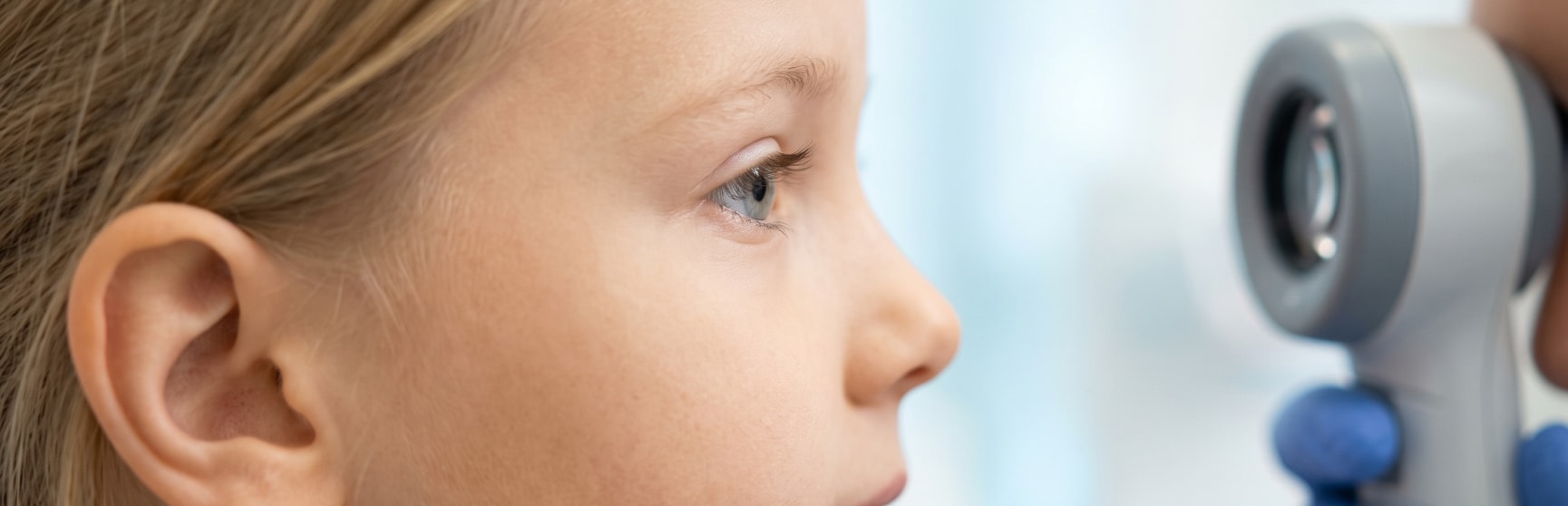
According to the Canadian Association of Optometrists, children should have their first eye exam during infancy, between 6 and 9 months old. At this stage, we assess for high or unequal prescriptions, eye misalignment, or eye health issues that could interfere with visual development.
Following their first exam, we recommend continuing exams on the following schedule:
- A preschool exam around 3 years old
- A kindergarten exam around 5 years old
- Annual eye exams after starting school
Depending on your child’s unique visual needs, we may recommend a different exam schedule.
Signs of Vision Problems in Children
Children may not be able to explain when something is wrong with their vision, or they may not realize their vision is different from others. Watch for signs at home that may indicate your child has a vision problem, such as:
- Squinting or rubbing eyes frequently
- Sitting too close to screens or books
- Avoiding close-up tasks
- Losing their place while reading
- Using a finger to guide reading
- Head tilting or covering one eye
- Complaints of double vision or frequent headaches
- Misaligned eyes
If you notice any of these signs, book an appointment today. Early detection can prevent long-term vision problems.
What to Expect During Your Child’s Eye Exam
During your child’s eye exam, we assess several visual skills and certain vision errors, including:
- Visual acuity: Ability to see clearly at different distances
- Eye focusing: Maintaining clear vision during quick changes
- Eye tracking: Keeping eyes on target when moving between objects
- Eye teaming: Using both eyes together for depth perception
- Hand-eye coordination: Processing visual information to guide hands
- Visual perception: Organizing images into letters, words, and ideas
We use age-appropriate tools and techniques to check their eyesight, including toys that keep the exam light and fun.

Slowing the Progression of Nearsightedness
Myopia, or nearsightedness, is a common vision condition that causes distant objects to appear blurry. If left unmanaged, myopia can worsen significantly as your child grows and may increase the risk of eye health issues later in life.
At Aylmer Optometry, we offer comprehensive myopia control options tailored to your child’s needs, including:
- Abiliti 1-Day contact lenses
- Atropine eye drops
- Combination treatments (Atropine plus another method)
- MiSight 1-Day contact lenses
- And more!
Support Your Child’s Vision Today
Aylmer Optometry participates in the Eye See…Eye Learn program, so junior and senior kindergarten children in Ontario can receive a comprehensive eye exam covered by OHIP before starting school. Children who need glasses receive a free pair in their prescription.
Consistent, comprehensive eye exams are the most reliable way to make sure your child enjoys healthy, clear vision for school, play, and everyday life. Our team is dedicated to supporting your child’s visual development every step of the way.
Contact us to schedule your child’s next exam today.

Eye Care Services We Offer


Explore Our Brands





More About Our Services
Explore the different eye care services we have to offer at Aylmer Optometry.
Myopia Management
Myopia (nearsightedness) affects distance vision and can progress quickly during childhood.
Myopia control aims to slow myopia progression in kids and teens for fewer prescription changes and reduced risks to future eye health.
Eye Disease Management
We provide evaluations and management for various eye conditions, including glaucoma, cataracts, and diabetic eye disease. Our goal is to protect your vision and support eye health through accurate diagnosis and personalized care.
Emergency Eye Care
When eye injuries and accidents happen, you need prompt care to preserve your vision and prevent complications. We offer urgent care for eye emergencies during business hours, helping relieve discomfort and protect your vision when it matters most.
Take a Look at Our Clinic
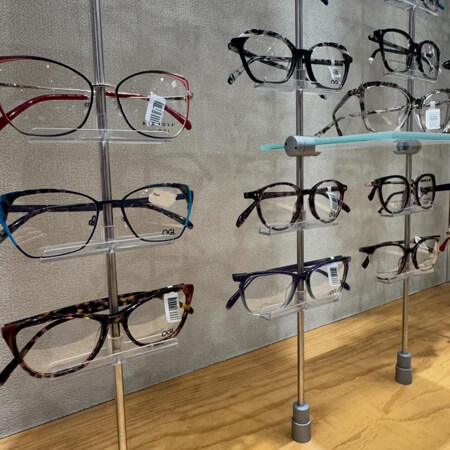
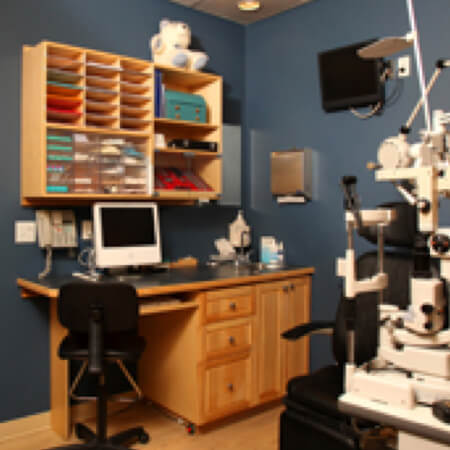
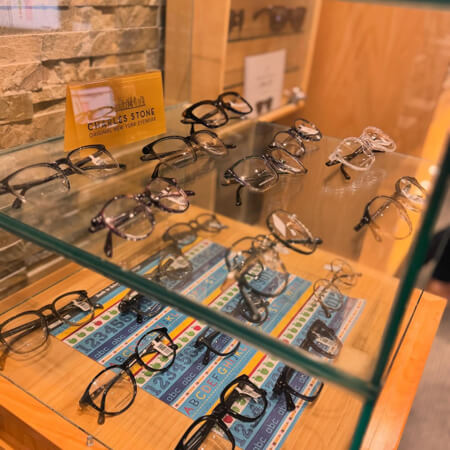
Check Out Our Google Reviews
Take a look at what our patients have to say about their experience at Aylmer Optometry.
Come Visit Us in Aylmer
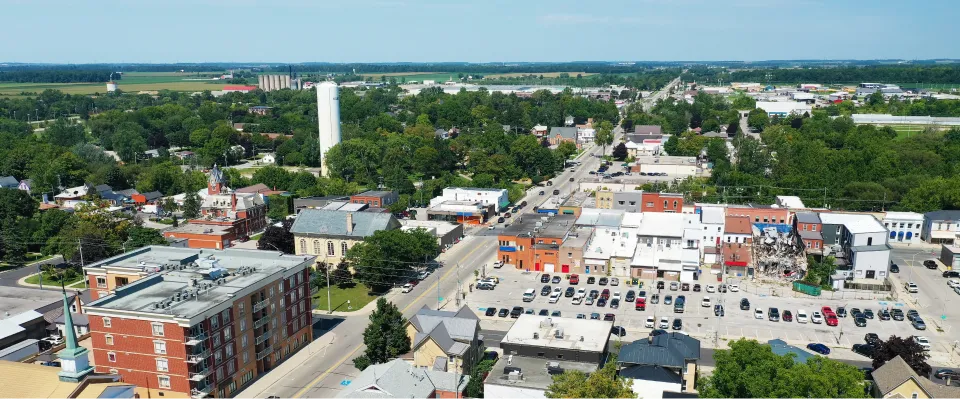
Our clinic is located on Sydenham Street, between King and Queen Streets and just one block from Talbot Street. There is street parking available outside the clinic.
Our Address
- 119 Sydenham St E
- Aylmer, ON N5H 1L4
Contact Information
- Phone: 519-773-8505
- Email: info@aylmeroptometry.com
Our Hours
*Closed for lunch between 12:45–2:00 PM. Please note that our doctors do not typically see patients on Fridays.