
Protect Your Eyes from Diabetes Complications
Diabetes affects your whole body, including your eyes. Diabetes-related vision complications often develop silently, causing damage without symptoms until irreversible vision loss occurs. Our team uses diagnostic technology, including OCTA, ZEISS Clarus ultrawidefield imaging, and visual field testing, to detect changes before symptoms arise and manage any diabetes-related eye issues.
Individuals with diabetes should have a diabetic eye exam at least once per year, even if they are not currently experiencing any other health problems and are controlling their blood sugar levels effectively.
Our team at Aylmer Optometry aims to preserve your long-term visual health. Contact us to schedule your diabetic eye exam today.

What Happens in a Diabetic Eye Exam
A diabetic eye exam is very similar to a standard, comprehensive eye exam, with some more frequent testing to check for common diabetes-related conditions. During your appointment, your optometrist will use OCTA scans, ultrawidefield retinal imaging, visual field testing, and tonometry (eye pressure testing) to examine your retina, optic nerve, and overall eye health.
These tools help us detect early signs of diabetes-related eye conditions, including changes that may not yet cause symptoms. Regular eye exams are important for anyone with type 1 or type 2 diabetes, even if your vision seems fine.

How Diabetes Affects Your Vision
Diabetes can increase the risk of developing serious eye conditions, such as:
Diabetic retinopathy is the most common cause of vision loss associated with diabetes, affecting around 1 million Canadians. Early stages may show no symptoms, making regular, comprehensive exams crucial.
What Is Diabetic Retinopathy?
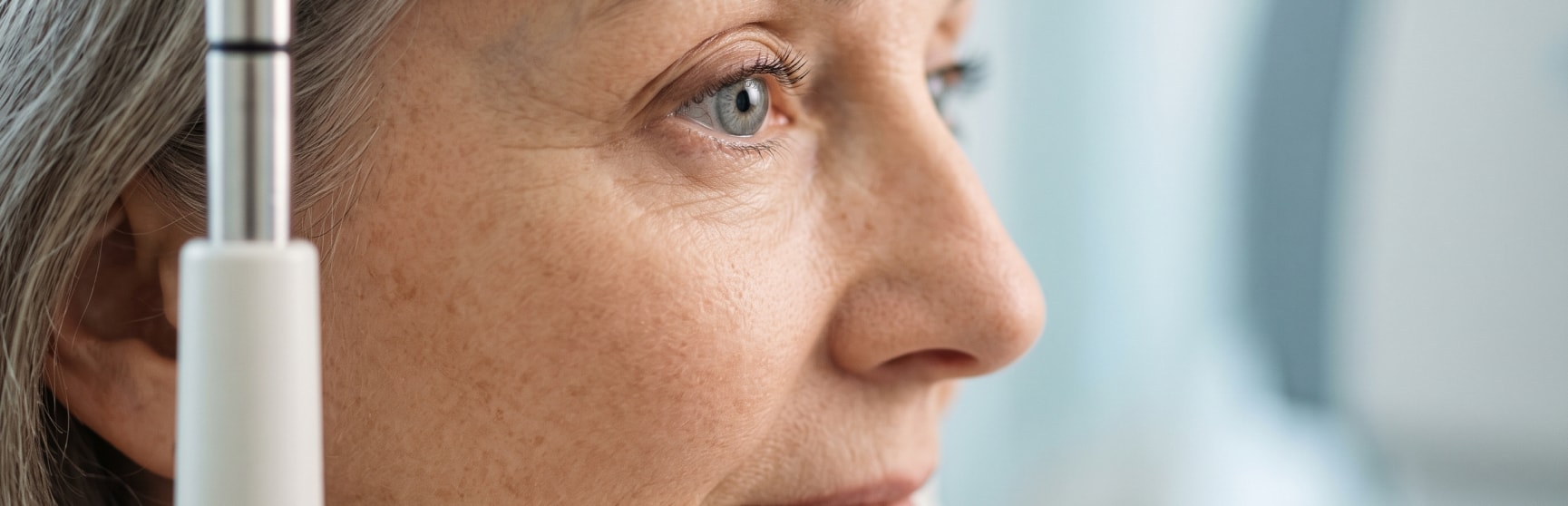
Diabetes impacts the body’s ability to control blood sugar levels. If these levels are elevated for an extended period of time, it can damage the tiny blood vessels in the retina (the light-sensitive lining inside the eye). Damage to these blood vessels can lead to vision changes over time.
Diabetic retinopathy is often asymptomatic during early stages; however, some subtle signs of diabetic retinopathy may include:
- Seeing spots or floaters
- Blurred vision
- Difficulty seeing at night
Early detection allows our team to recommend treatments that help prevent vision loss.
Our Diagnostic Technology for Diabetic Eye Exams
At Aylmer Optometry, we use our diagnostic tools to gain a detailed view of your eyes and catch any diabetes-related changes as early as possible. The earlier we can catch signs of disease, the sooner we can begin managing your condition, helping to preserve your vision.
These tools allow our optometrists to detect subtle changes, monitor disease progression, and develop a personalized plan tailored to your eye health.
OCTA is a noninvasive imaging test that maps the layers of your retina in great detail, including the connected blood vessels. It allows our optometrists to detect early signs of diabetic retinopathy, such as microaneurysms, abnormal vessel growth, and areas of reduced blood flow, often before symptoms appear.
Ultrawidefield imaging captures around 80% of the retina in a single image, giving our team a panoramic view of your eye’s health. This comprehensive perspective helps identify potential retinal issues early, supporting proactive management and reducing the risk of serious vision problems.
Visual field testing assesses the entire area of your vision, including both central and peripheral, to detect early functional changes caused by glaucoma or other diabetes-related eye conditions. Regular testing helps our team track subtle changes to the function of your vision over time, for a complete understanding of your visual health.
Diabetic Eye Exams Backed by Technology
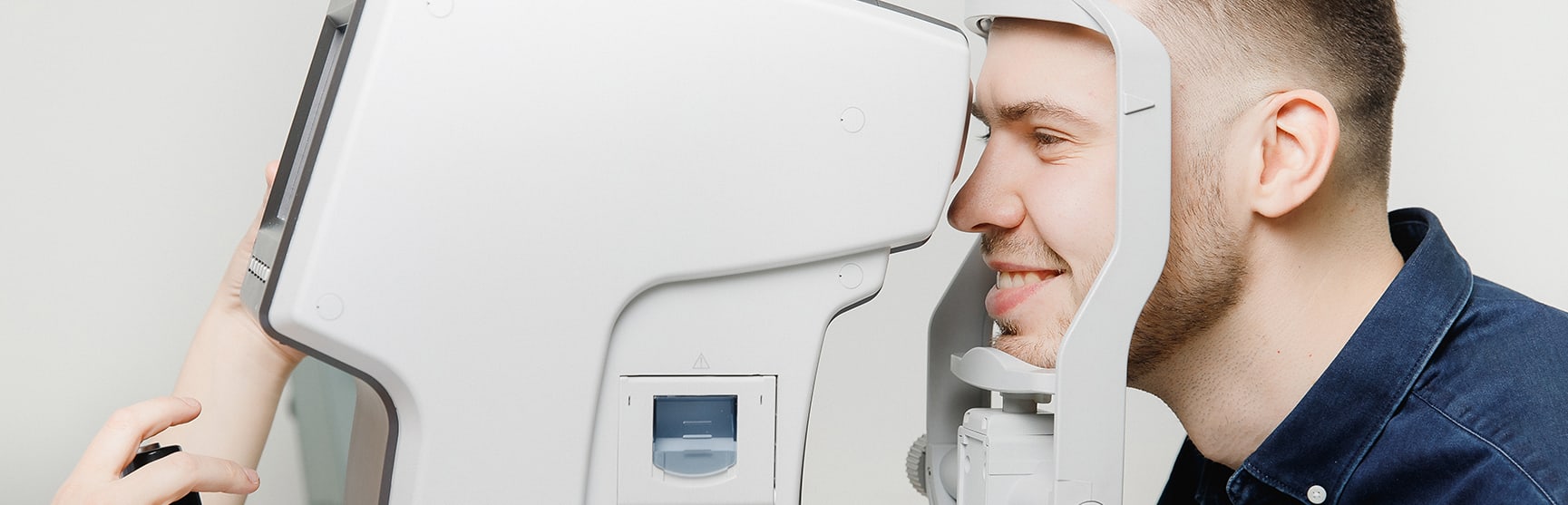
At Aylmer Optometry, our diabetic eye exams combine experienced care with targeted eye care technology.
We understand that living with diabetes comes with significant challenges. Our goal is to give you a clear picture of your visual health and help protect your vision for the long term, giving you peace of mind knowing that your eyes are cared for.
Contact us to book your appointment today to get ahead of diabetes-related eye issues.

Eye Care Services We Offer




Explore Our Brands





More About Our Services
Explore the different eye care services we have to offer at Aylmer Optometry.
Myopia Management
Myopia (nearsightedness) affects distance vision and can progress quickly during childhood.
Myopia control aims to slow myopia progression in kids and teens for fewer prescription changes and reduced risks to future eye health.
Eye Disease Management
We provide evaluations and management for various eye conditions, including glaucoma, cataracts, and diabetic eye disease. Our goal is to protect your vision and support eye health through accurate diagnosis and personalized care.
Emergency Eye Care
When eye injuries and accidents happen, you need prompt care to preserve your vision and prevent complications. We offer urgent care for eye emergencies during business hours, helping relieve discomfort and protect your vision when it matters most.
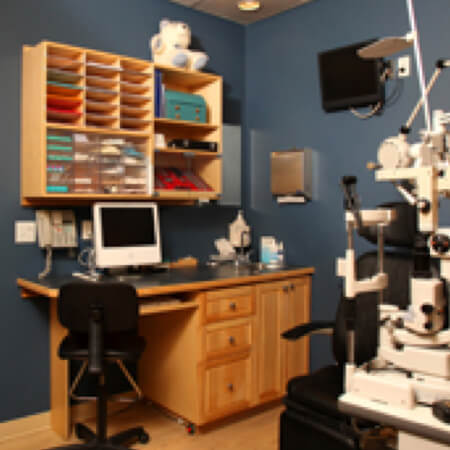
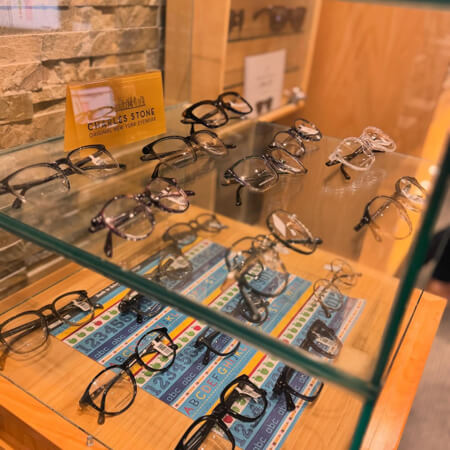
Take a Look at Our Clinic

Check Out Our Google Reviews
Take a look at what our patients have to say about their experience at Aylmer Optometry.
Come Visit Us in Aylmer

Our clinic is located on Sydenham Street, between King and Queen Streets and just one block from Talbot Street. There is street parking available outside the clinic.
Our Address
- 119 Sydenham St E
- Aylmer, ON N5H 1L4
Contact Information
- Phone: 519-773-8505
- Email: info@aylmeroptometry.com
Our Hours
*Closed for lunch between 12:45–2:00 PM. Please note that our doctors do not typically see patients on Fridays.